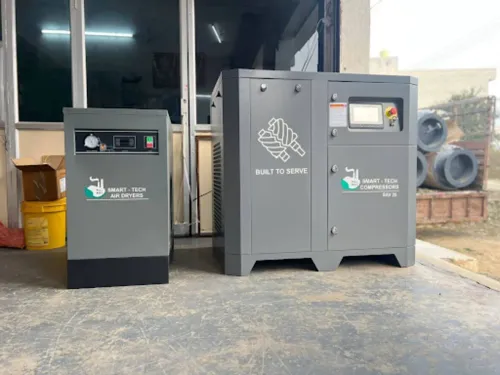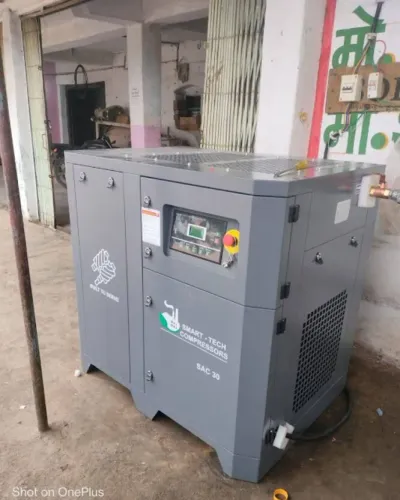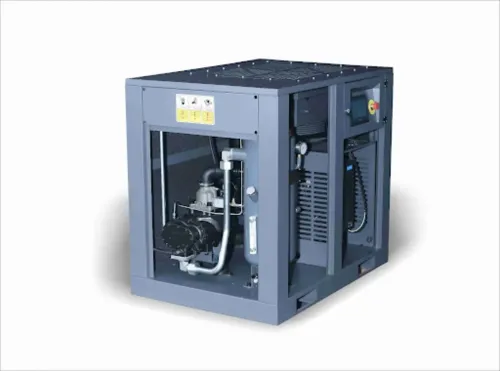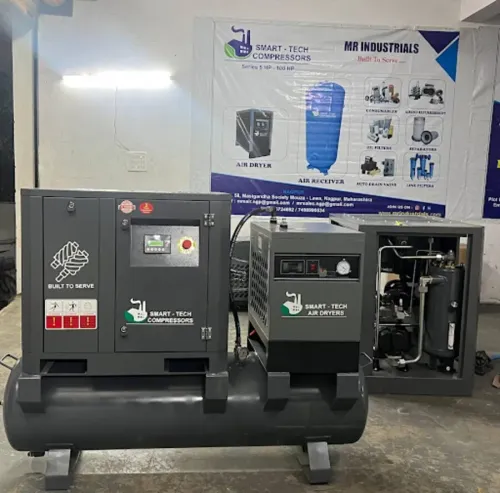
Compressed air used in food processing deserves careful attention because its application can range from general pneumatic automation to processes where air may have closer interaction with production or packaging. Selecting an Air Compressor for the Food Industry therefore requires a clear understanding of air quality, moisture control, reliability and maintenance.
Food manufacturers in Nagpur and across Maharashtra should define exactly where compressed air will be used before choosing equipment and downstream treatment.
Map Every Compressed Air Application
A food processing plant may use compressed air for packaging machines, pneumatic cylinders, conveyors, instrumentation, cleaning equipment and other automated systems.
These uses should be categorized according to how closely the compressed air interacts with the product, packaging and production environment.
The required air treatment can then be determined according to the process and applicable quality requirements.
Establish the Required Air Quality
Ambient air contains moisture and airborne contaminants. Compression concentrates some of these impurities.
Depending on compressor technology and process requirements, additional considerations may also apply.
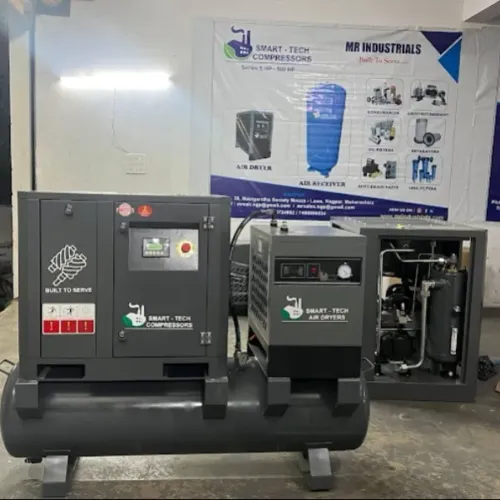
A complete air-treatment arrangement can include:
- Moisture separation
- Drying
- Particulate filtration
- Coalescing filtration
- Condensate management
- Application-specific final filtration
The exact combination should follow the required compressed-air quality rather than a generic package.
Protect Against Moisture Problems
Compressed air cools after leaving the compressor, which can cause water vapour to condense.
Uncontrolled moisture may contribute to corrosion, pneumatic component problems and process-related issues.
Air dryers are therefore an important consideration where a controlled pressure dew point is required.
Drain systems should also be checked regularly to ensure collected condensate is removed effectively.
Build Reliability Into Production Planning
Packaging and processing lines can be highly dependent on pneumatic equipment.
Before selecting compressor capacity, determine the consequences of a shutdown. Facilities where compressed air is production-critical may need to evaluate standby capacity or multiple-compressor arrangements.
Maintenance should also be planned around operating hours and production schedules.
Keep the Compressor Environment Controlled
The compressor area should remain ventilated and accessible for servicing.
Filters and cooling surfaces require routine inspection, particularly in environments where airborne contamination can accumulate.
Maintenance personnel should record operating temperature, pressure and service history so that changes can be identified before they become severe.
Consider Supplier Readiness
A supplier should be able to discuss air demand, air quality and downstream treatment rather than focusing only on compressor motor size.
MR Industrials supports industrial compressed air users in Nagpur with equipment, parts and service requirements. For food processing facilities, system selection should begin with a clear understanding of how compressed air interacts with the production process.
Frequently Asked Questions
Does every food plant need the same air treatment
No. Air quality requirements depend on the application and the nature of compressed-air interaction with the process.
Why is a dryer used in a compressed air system
A dryer reduces moisture in compressed air to help achieve the required pressure dew point and protect downstream processes and equipment.
How should compressor capacity be selected
Capacity should reflect airflow demand, operating pressure, simultaneous equipment usage, production hours and planned expansion.
The right Air Compressor for the Food Industry should be part of a properly engineered compressed-air system that considers air generation, treatment, distribution, monitoring and maintenance together.
Keywords