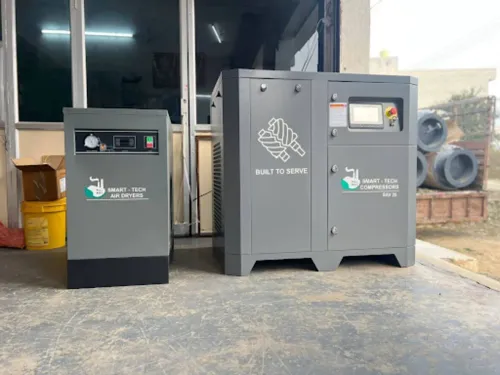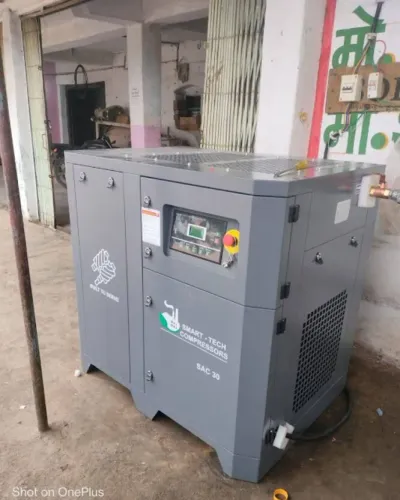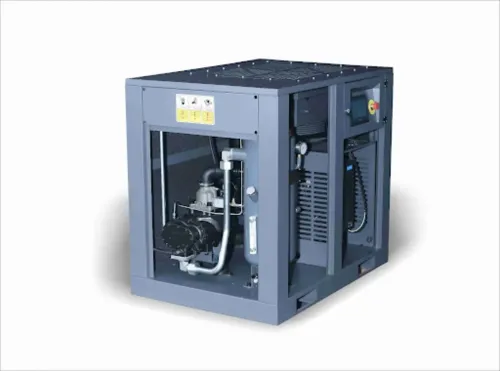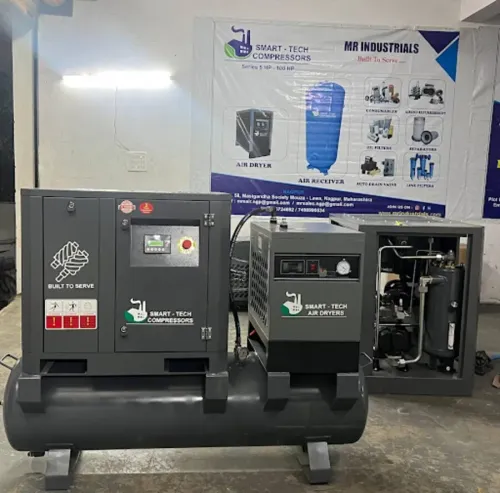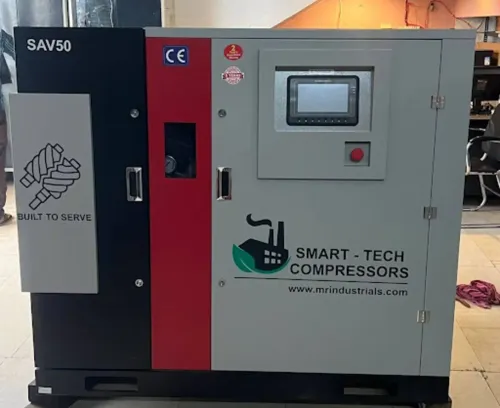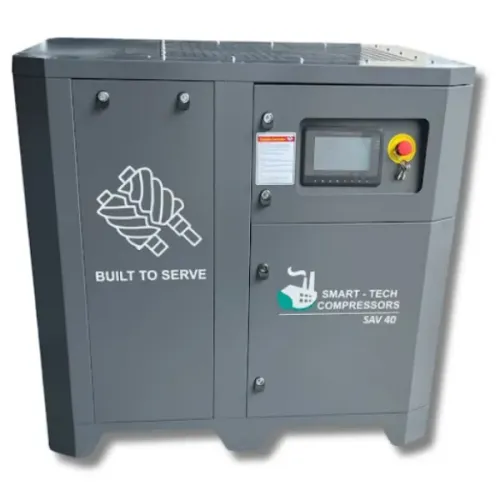
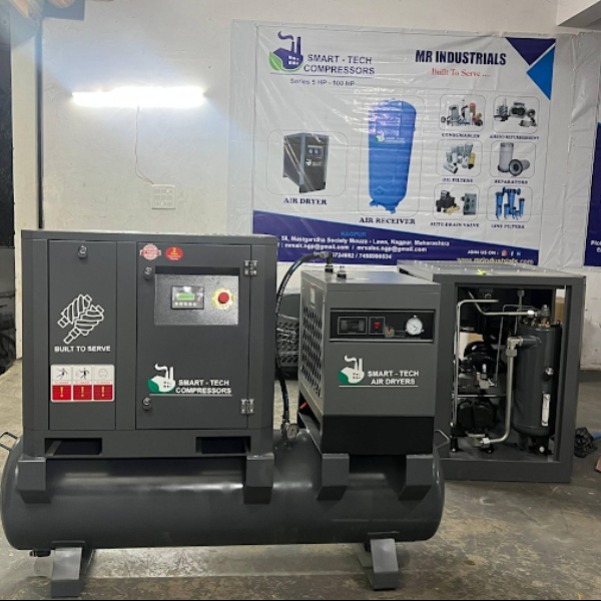
Pharmaceutical manufacturing requires careful control of utilities that support production. Compressed air can be used for pneumatic automation, instrumentation, packaging and various manufacturing processes, making system design an important technical consideration. An Air Compressor for Pharmaceutical Industry should be selected according to required air quality, process risk, reliability and documented maintenance needs.
For pharmaceutical facilities in Nagpur and Maharashtra, compressor selection should begin with the intended use of compressed air rather than a standard equipment recommendation.
Classify Compressed Air Applications
Not every compressed-air point within a pharmaceutical facility has the same requirement.
A useful first step is to map where compressed air is used and determine the potential impact of contamination, moisture or pressure instability at each point.
Applications may include:
- Pneumatic actuators
- Instrumentation
- Packaging machinery
- Automated production equipment
- Utility operations
- Process-specific functions
This classification helps establish appropriate treatment and monitoring requirements.
Define Air Quality Before Selecting Equipment
The required compressed-air quality should be established according to process requirements and applicable facility standards.
Moisture, particles and oil-related contaminants may require control depending on the application.
Rather than assuming that one treatment arrangement is suitable everywhere, facilities should define the required quality at critical points of use and engineer the system accordingly.
Consider Dryer and Filtration Performance
Air drying helps control moisture by reducing the pressure dew point.
Filtration can be arranged in stages according to the contaminants that need to be controlled.
Filters also introduce pressure drop, particularly as they become loaded. Maintenance teams should therefore monitor filter condition rather than allowing excessive restriction to develop.
Evaluate Production Reliability
If compressed air supports critical production equipment, system availability needs careful planning.
Facilities should assess whether a single compressor provides acceptable operational resilience. Depending on production requirements, multiple compressors or standby capacity may be appropriate.
A receiver can help stabilize short-duration demand variations, but it should not be treated as a replacement for sufficient compressor capacity.
Prepare the Site Before Commissioning
Installation planning should cover electrical supply, ventilation, piping, drainage, receiver location and maintenance access.
Before startup, downstream air-treatment components should also be checked.
After commissioning, normal operating pressure, temperature and system behaviour should be recorded. These values create useful baselines for future inspection.
Maintain Documented Service Records
Preventive maintenance should follow equipment recommendations and actual operating conditions.
Service records can include filter replacement, lubricant changes where applicable, separator maintenance, temperature trends and major repairs.
Repeated alarms, increasing temperatures, abnormal noise or declining performance should trigger technical investigation.
MR Industrials supports compressed air equipment requirements for businesses in Nagpur, including industrial compressor supply, compressor parts, servicing and airend rebuilding support.
Frequently Asked Questions
What should pharmaceutical facilities determine first
The intended compressed-air applications and required air quality should be established before finalizing compressor technology and treatment equipment.
Is dry compressed air important
Moisture control can be important for protecting pneumatic equipment and meeting process-specific compressed-air requirements. The required dew point depends on the application.
How can downtime risk be reduced
Correct sizing, preventive maintenance, condition monitoring, spare-parts planning and appropriate standby arrangements can all contribute to improved system availability.
Should compressed air quality be monitored
Where compressed-air quality is important to the process, monitoring and verification should follow the facility's defined requirements and applicable quality procedures.
Selecting an Air Compressor for Pharmaceutical Industry requires a system-level approach. Compressor capacity, air treatment, distribution, maintenance, monitoring and operational resilience all need to work together to support dependable pharmaceutical production.
Keywords